Know Your Grades: Prime is Best! And, Know Your Cuts!
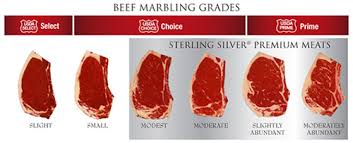

This helps you know what you're looking at in the store. A lot of markets only carry Select or Choice beef. Try your local locker for prime cuts!
The price of good quality beef will continue to raise due to environmental factors mainly related to drought throughout the US leading to culling herd sizes. Production is down and demand is up, but you can save big money buying bulk from the source, your local farmer. Most beef producers offer sides of beef processed locally at board price. You cut out the middle men and save a lot and get the better cattle!
A well-rounded diet is important with the correct portion sizes. Incorrect portion size and poor quality are the main reasons for beef getting such negative publicity in the first place~!
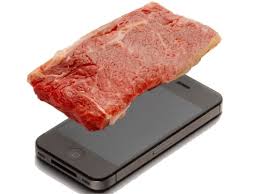
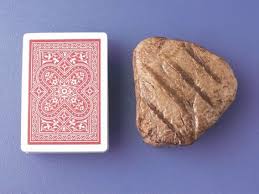
A 16 oz ribeye is neither a lean cut nor a correct portion size. So, know your cuts, know your portion size and know your grade and you'll be a healthier eater in general!
 Beef has gotten a bad name in recent years as being unhealthy and fatty. The truth is, quality beef isn't so fatty. United States buys the majority of the beef sold here in the US from other countries who don't have the same quality standards when raising beef. Just because you go to the market and see USDA on your beef doesn't mean it was raised in the United States. All it means is that it was graded here in the states, most likely it comes from countries like Argentina and Mexico. Real quality beef is raised in the US, sold and shipped to countries like Japan and Eastern European countries that value lean, quality beef. A ribeye isn't just a ribeye. As a beef producer, I know the facts about beef. I wouldn't buy beef in the grocery store. I don't order steaks at restaurants. And, I don't eat veggie burgers. Our beef is naturally 98% lean. That's quality beef. You can't even get an 80/20 burger blend from our cattle, they're not fat enough. Our beef are good quality and filled with GREAT nutrients, like protein, zinc, vitamin B12, and Iron just to name a few.
A three-ounce serving of lean beef is an excellent source of protein, supplying more than half the protein most people need each day. Notice the serving size is 3 ounces, not 16. In addition, the protein in beef is a complete, high-quality protein, which means it supplies all of the essential amino acids, or building blocks of protein, the body needs to build, maintain and repair body tissue. Muscles also form hormones and enzymes, and increase resistance to infection and disease. A growing body of scientific evidence suggests that eating more protein can benefit weight loss, muscle mass maintenance, cholesterol and triglyceride levels, and satiety.
According to the Centers for Disease Control and Prevention (CDC), iron deficiency is a common nutritional deficiency worldwide among young children and women of child-bearing age, including those who are pregnant. In fact, four million U.S. children are iron-deficient, and childhood iron-deficiency anemia is associated with behavioral and cognitive delays. Beef is a good source of iron, and unlike plant proteins, beef is the food supply’s most readily available and easily absorbed source of iron. Iron not only helps red blood cells carry oxygen to body tissue, it also plays an important role in cognitive health, including memory, ability to learn and reasoning.
One three-ounce serving of beef is an excellent source of zinc, which is an essential nutrient that fuels thousands of bodily processes, including building muscles and healing wounds, maintaining the immune system, and contributing to cognitive health.
Beef contains a significant amount of several B vitamins including vitamins B12 and B6, niacin and riboflavin.
One three-ounce serving of beef is an excellent source of vitamin B12, which is needed for normal functioning of body cells and of the nervous system; and one three-ounce serving of lean beef is a good source of vitamin B6, which is important for a healthy nervous system and helps the body fight infection. In addition, both vitamins B12 and B6 play important roles in lowering blood levels of homocysteine, an amino acid that increases risk for heart disease and dementia. A three-ounce serving of beef is a good source of niacin, which promotes healthy skin and nerves, aids digestion, and fosters normal appetite; and one three-ounce serving of beef is also a good source of riboflavin, which helps the body use energy and
promotes healthy skin and good vision.
Beef eaters are 11% more likely to meet nutrient requirements for protein than non-beef eaters.
Beef eaters are 24% more likely to meet nutrient requirements for vitamin B12 than non-beef eaters.
Beef eaters are13% more likely to meet nutrient requirements for iron than non-beef eaters.
Beef eaters are 26% more likely to meet nutrient requirements for zinc than non-beef eaters.
Pair foods together to help iron absorption, like these:
Sirloin strips & Spinach salad
Barbecued beef & Refried beans and tortillas
Ground beef & Whole grain roll
Pork & Bean soup
Chicken & Brown rice
Grapefruit & Bran cereal
Strawberries & Oatmeal and whole wheat toast
Orange & Peanut butter sandwich on whole wheat
You need a blocker for every source of iron, most of them are high in Vitamin C! Things like strawberries, cauliflower, tomatoes, potatoes, cabbage, green peppers, cantaloup, oranges, grapefruit, leafy greens (which are also high in iron as well as vitamin C) will help absorption of iron. So, pair it with your beef or other meats in your diet to get the most out of your foods.
I can't leave out the amazing Omegas found in beef either! That's pure brain food and it's good for your heart too! Omegas can lower the risk of heart disease and stroke, some of the leading killers in the US!
This helps you know what you're looking at in the store. A lot of markets only carry Select or Choice beef. Try your local locker for prime cuts!
The price of good quality beef will continue to raise due to environmental factors mainly related to drought throughout the US leading to culling herd sizes. Production is down and demand is up, but you can save big money buying bulk from the source, your local farmer. Most beef producers offer sides of beef processed locally at board price. You cut out the middle men and save a lot and get the better cattle!
A well-rounded diet is important with the correct portion sizes. Incorrect portion size and poor quality are the main reasons for beef getting such negative publicity in the first place~!
A 16 oz ribeye is neither a lean cut nor a correct portion size. So, know your cuts, know your portion size and know your grade and you'll be a healthier eater in general!
A three-ounce serving of lean beef is an excellent source of protein, supplying more than half the protein most people need each day. Notice the serving size is 3 ounces, not 16. In addition, the protein in beef is a complete, high-quality protein, which means it supplies all of the essential amino acids, or building blocks of protein, the body needs to build, maintain and repair body tissue. Muscles also form hormones and enzymes, and increase resistance to infection and disease. A growing body of scientific evidence suggests that eating more protein can benefit weight loss, muscle mass maintenance, cholesterol and triglyceride levels, and satiety.
According to the Centers for Disease Control and Prevention (CDC), iron deficiency is a common nutritional deficiency worldwide among young children and women of child-bearing age, including those who are pregnant. In fact, four million U.S. children are iron-deficient, and childhood iron-deficiency anemia is associated with behavioral and cognitive delays. Beef is a good source of iron, and unlike plant proteins, beef is the food supply’s most readily available and easily absorbed source of iron. Iron not only helps red blood cells carry oxygen to body tissue, it also plays an important role in cognitive health, including memory, ability to learn and reasoning.
One three-ounce serving of beef is an excellent source of zinc, which is an essential nutrient that fuels thousands of bodily processes, including building muscles and healing wounds, maintaining the immune system, and contributing to cognitive health.
Beef contains a significant amount of several B vitamins including vitamins B12 and B6, niacin and riboflavin.
One three-ounce serving of beef is an excellent source of vitamin B12, which is needed for normal functioning of body cells and of the nervous system; and one three-ounce serving of lean beef is a good source of vitamin B6, which is important for a healthy nervous system and helps the body fight infection. In addition, both vitamins B12 and B6 play important roles in lowering blood levels of homocysteine, an amino acid that increases risk for heart disease and dementia. A three-ounce serving of beef is a good source of niacin, which promotes healthy skin and nerves, aids digestion, and fosters normal appetite; and one three-ounce serving of beef is also a good source of riboflavin, which helps the body use energy and
promotes healthy skin and good vision.
Beef eaters are 11% more likely to meet nutrient requirements for protein than non-beef eaters.
Beef eaters are 24% more likely to meet nutrient requirements for vitamin B12 than non-beef eaters.
Beef eaters are13% more likely to meet nutrient requirements for iron than non-beef eaters.
Beef eaters are 26% more likely to meet nutrient requirements for zinc than non-beef eaters.
Pair foods together to help iron absorption, like these:
Sirloin strips & Spinach salad
Barbecued beef & Refried beans and tortillas
Ground beef & Whole grain roll
Pork & Bean soup
Chicken & Brown rice
Grapefruit & Bran cereal
Strawberries & Oatmeal and whole wheat toast
Orange & Peanut butter sandwich on whole wheat
You need a blocker for every source of iron, most of them are high in Vitamin C! Things like strawberries, cauliflower, tomatoes, potatoes, cabbage, green peppers, cantaloup, oranges, grapefruit, leafy greens (which are also high in iron as well as vitamin C) will help absorption of iron. So, pair it with your beef or other meats in your diet to get the most out of your foods.
I can't leave out the amazing Omegas found in beef either! That's pure brain food and it's good for your heart too! Omegas can lower the risk of heart disease and stroke, some of the leading killers in the US!


